On this page(11)
Welcome Email Sequence Examples for Small Businesses
If someone just handed you their email address, that is the warmest they will ever be. This guide is for small business owners, ecommerce shops, and service providers who want practical welcome email sequence examples they can copy and adapt this week. You will get sample subject lines, a full multi-email sequence, and timing that actually respects the person on the other end.
What a welcome sequence is (and why one email is not enough)
A welcome sequence is a short series of automated emails that goes out after someone subscribes, buys, or signs up. Instead of a single “thanks for joining” note that gets forgotten, a sequence introduces who you are, sets expectations, and gives new subscribers a reason to stay engaged over their first week or two.
The reason to space it out is simple. People are busy. One email lands at a bad moment and disappears. A sequence gives you a few honest chances to show up, be useful, and earn a second look. Because these emails send on their own once you build them, this is exactly the kind of work you set up once and let run in the background with email automation.
Before you write: get the basics right
A welcome sequence only works if it reaches real, engaged inboxes. Three things matter before you write a single line:
- Permission. Everyone in the sequence asked to hear from you. Welcome emails are permission marketing, not cold outreach. That distinction protects your sender reputation and your relationship with the reader.
- Clean list. Typos and abandoned addresses hurt your delivery. Running new signups through list verification before they enter the sequence keeps bounces down.
- A trigger. Decide what starts the sequence: a newsletter opt-in, a first purchase, a free trial, or a lead magnet download. Each trigger changes the tone of email one.
Example 1: The newsletter or list-opt-in welcome sequence
This is the most common starting point for small businesses. Someone subscribed to your list, maybe from a blog post or a footer form. Here is a three-email sequence you can lift directly.
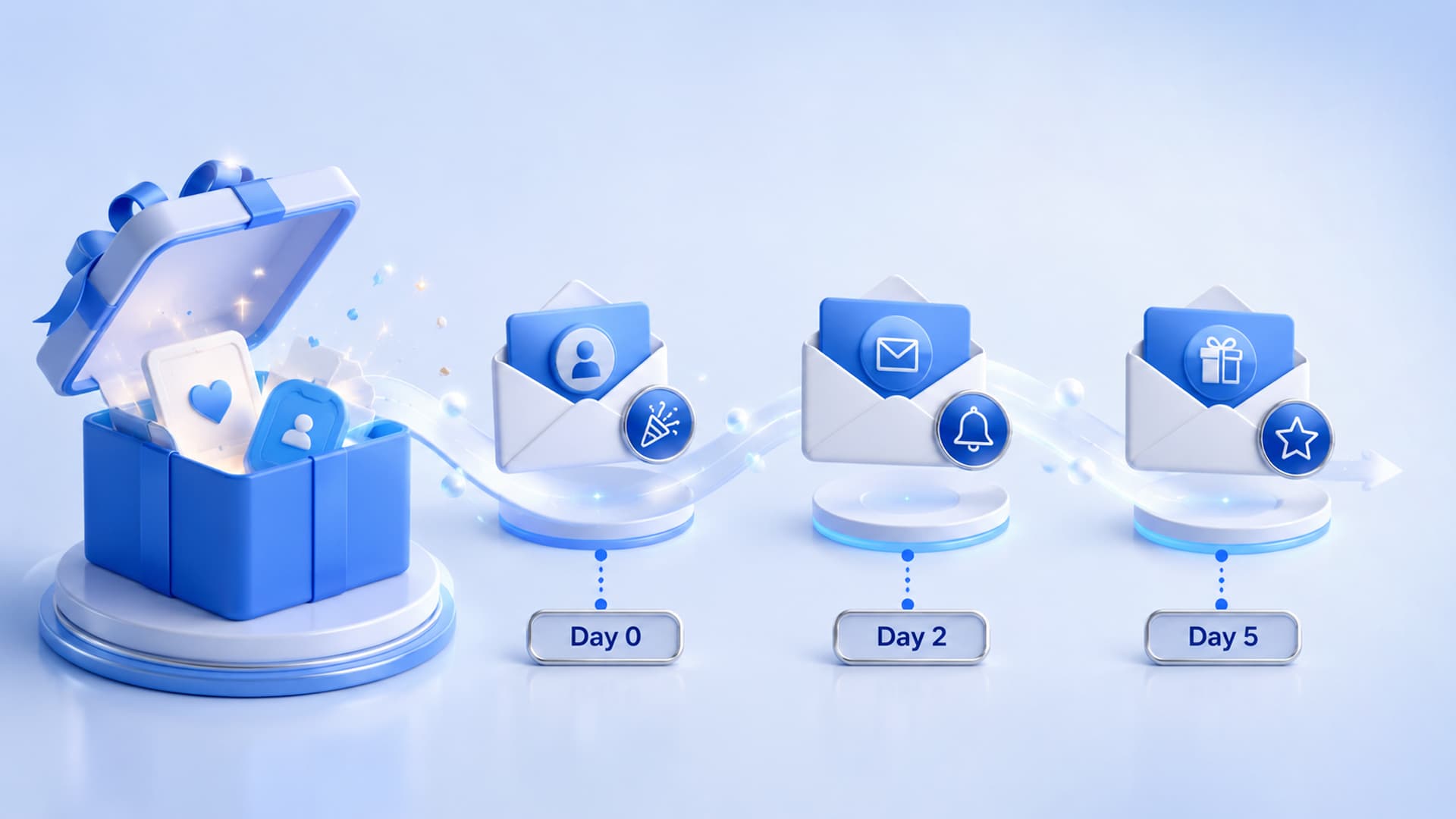
Email 1: Deliver and set expectations (send immediately)
Subject: You’re in. Here’s what to expect.
Hi {{first_name}},
Thanks for subscribing. I’m {{your_name}}, and I run {{business}}. You’ll hear from me about {{topic}} roughly {{frequency}} — no daily noise, no filler.
To kick things off, here’s the one resource most people find useful first: {{link}}.
Reply and tell me what made you sign up. I read every message.
Email 2: Show your best work (send 2 days later)
Point them to your single most helpful piece of content: a guide, a short video, or a popular post. Do not sell yet. You are proving you are worth the inbox space.
Email 3: Make one clear invitation (send 4 days later)
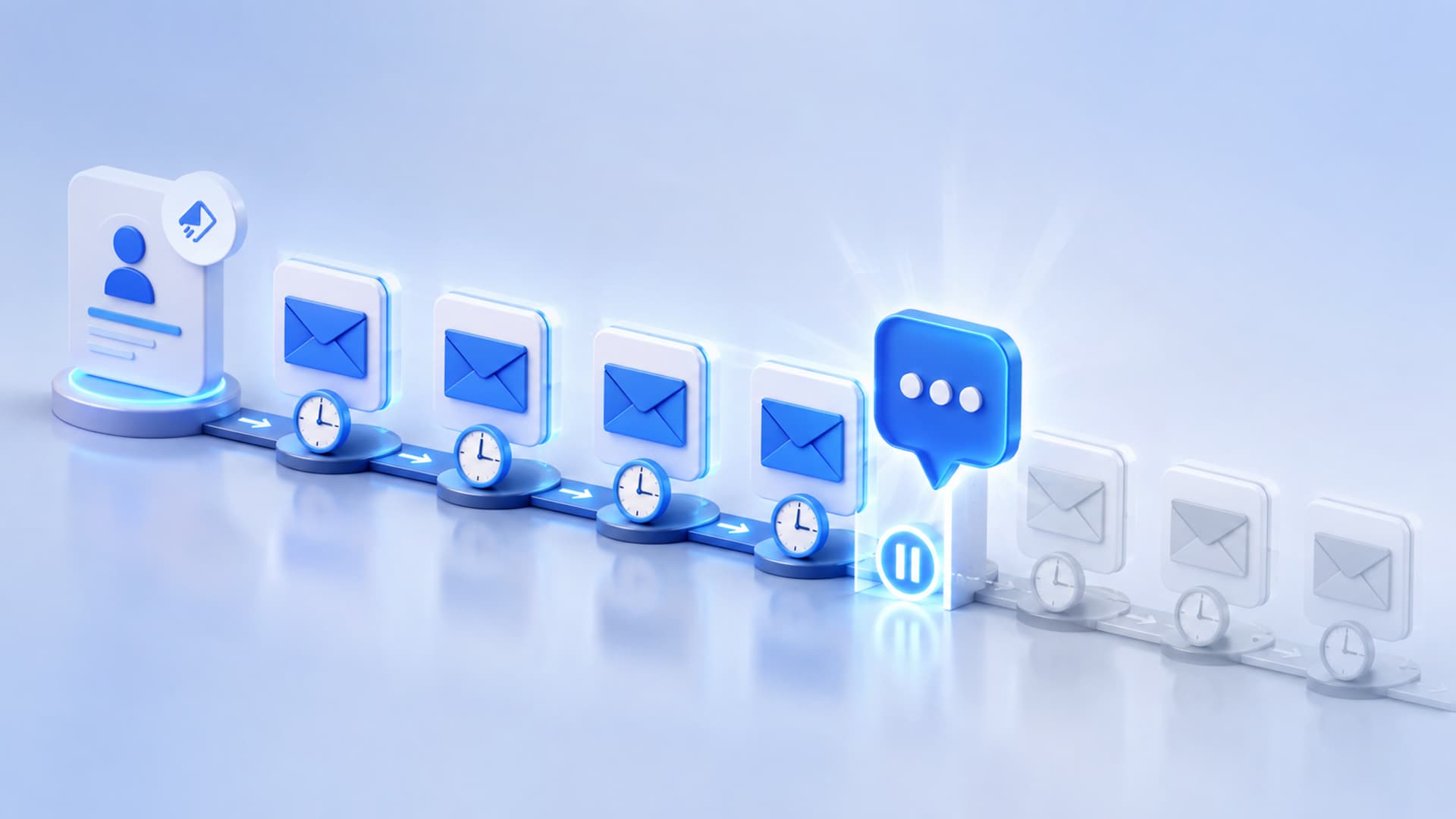
Now you can invite action: a first purchase, a booking, a free consultation, or a trial. Keep it to one call to action. When they reply or click, a good tool lets your sequence stop automatically so the same person is not nudged again.
Example 2: The ecommerce first-purchase welcome sequence
When a new customer buys for the first time, the goal shifts from introduction to reassurance and repeat business. Here is a four-email structure that works well for shops.
- Order confirmation and warm hello (immediate). Confirm the order, thank them like a human, and set delivery expectations.
- The story behind the brand (2 days later). Why you started, what makes your product different, and how to get the most out of it.
- Care tips or how-to (5 days later). Help them succeed with what they bought. A happy first experience drives the second order.
- A gentle nudge to return (8 days later). Suggest a complementary product or share a small thank-you offer for coming back.
Ecommerce welcome flows lean heavily on segmentation and timing, which is why they pair naturally with email marketing built for ecommerce. The point is not to blast the whole list. It is to meet a specific new customer where they are in their first two weeks.
Example 3: The SaaS or free-trial onboarding sequence
For a software product, the welcome sequence is really an onboarding sequence. The job is to get the user to their first win before the trial runs out.
- Email 1 (immediate): One link, one action. “Do this first” beats “here are twelve features.”
- Email 2 (day 2): The core feature that makes the product click, with a short walkthrough.
- Email 3 (day 4): A use case or mini case study showing what is possible.
- Email 4 (day 6): Offer help. A real reply-to invitation or a link to book time.
- Email 5 (near trial end): Remind them what they have set up and make upgrading easy.
If a user replies asking a question or completes the key action, the follow-ups should stop chasing them. That is the difference between a sequence that feels helpful and one that feels robotic. Products like email tools for SaaS exist to handle exactly this kind of behavior-aware follow-up.
Sample subject lines you can adapt
Subject lines carry the open. Keep them plain and specific rather than clever. A few that fit welcome sequences across industries:
- You’re in. Here’s what to expect.
- Start here (2-minute read)
- The one thing I wish every new customer knew
- Your order is on its way — plus a quick tip
- Quick question about why you signed up
- Before you go any further, do this
Timing and cadence: how far apart to send
There is no magic interval, but a few principles hold up well for small businesses:
- First email is instant. People expect a reply the moment they subscribe or buy. Delay here reads as broken.
- Space the rest by 2 to 3 days. Close enough to stay top of mind, far enough to avoid fatigue.
- Keep the whole sequence short. Three to five emails over one to two weeks is plenty for most businesses.
- Stop on reply. If someone answers, the automated chase should end. A conversation beats a queued campaign every time.
That last point is the heart of good follow-up. When a reply lands, you want it to reach a real person, not vanish. A shared inbox tied to your CRM keeps those conversations in one place so nobody drops the ball.
How to build your welcome sequence in EmailSendX
The mechanics are straightforward once you have your emails written. Inside a permission-based platform, you set the trigger, draft each step, and choose the delay between them.
- Choose your trigger: a new subscriber joining a list, a first purchase, or a signup.
- Write each email and set the delay before it sends.
- Add a stop condition so the sequence ends when someone replies.
- Verify new contacts on the way in to keep your list clean.
- Turn it on and watch real engagement, filtering out bot opens so your numbers reflect actual humans.
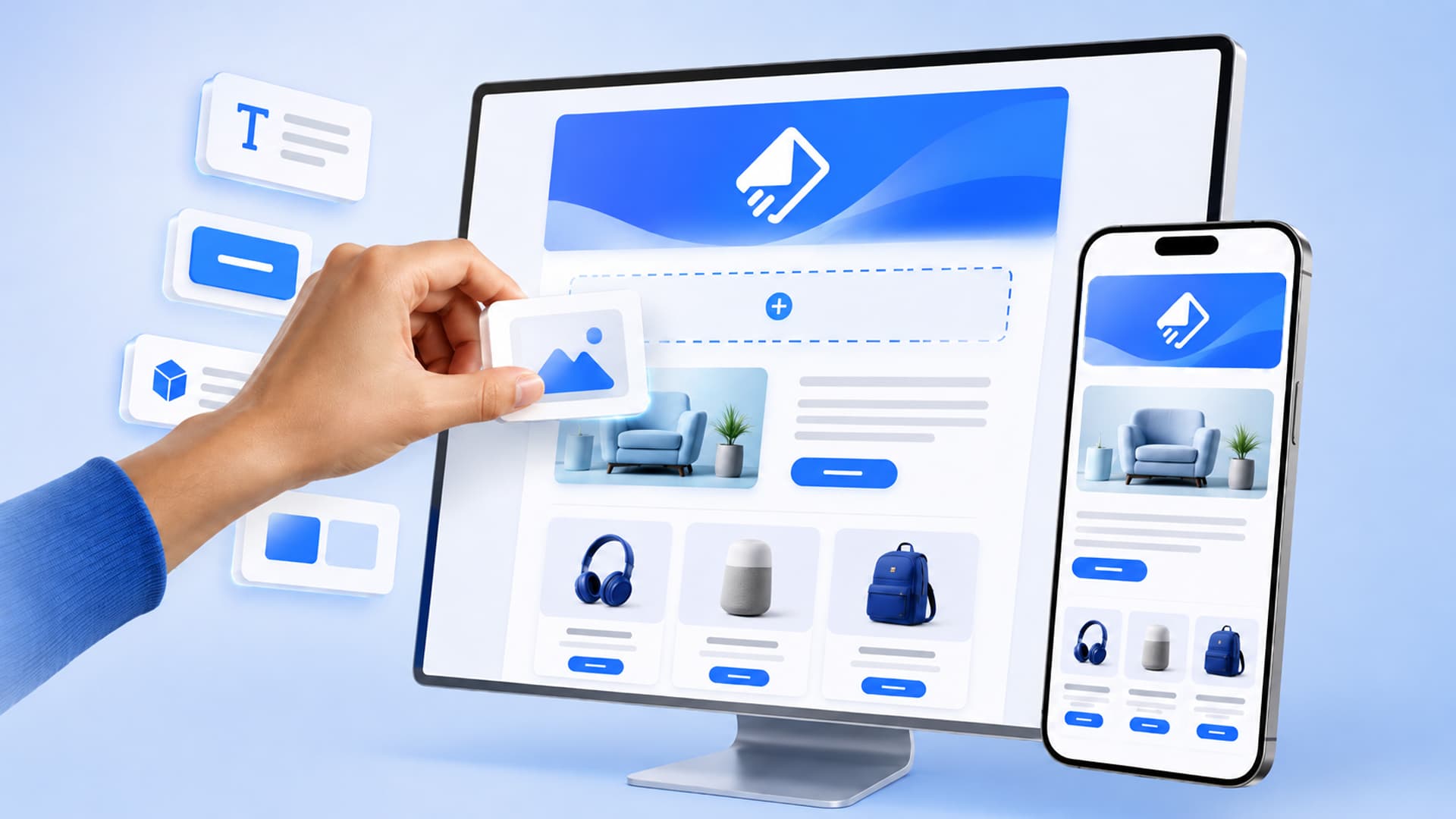
EmailSendX is built around this exact pattern. You bring your own sending provider — Amazon SES, SendGrid, Brevo, Mailgun, Postmark, Resend, Gmail, or plain SMTP — and pay flat pricing with no per-contact fees, which matters when your list grows. You can draft each step in the visual email builder and track how the sequence performs over time in analytics and reporting.
Common mistakes to avoid
- Selling in email one. Earn attention before you ask for the sale.
- Too many calls to action. One clear next step per email.
- No stop-on-reply. Chasing people who already answered erodes trust fast.
- Skipping verification. A dirty list drags down delivery for everyone on it.
- Set and never revisit. Read your replies and tweak the spots where people drop off.
Start with one sequence and grow from there
You do not need a twelve-email masterpiece to see results. Pick the one trigger that matters most — new subscriber, first purchase, or free trial — write three honest emails, and let them run. Once that sequence is working, build the next one.
EmailSendX gives you permission-based automation, built-in list verification, a shared inbox, and real-opens tracking in one place, with flat pricing and your own sending provider. That is the whole idea behind email that follows up for you: you write it once, and it keeps showing up so you do not have to. Start free with EmailSendX and build your first welcome sequence today.
Ready to put your email on autopilot?
Ready to try it?