On this page(9)
Why a Mixed-Up Transactional and Marketing Email Pipe Costs Reputation, Not Just Money
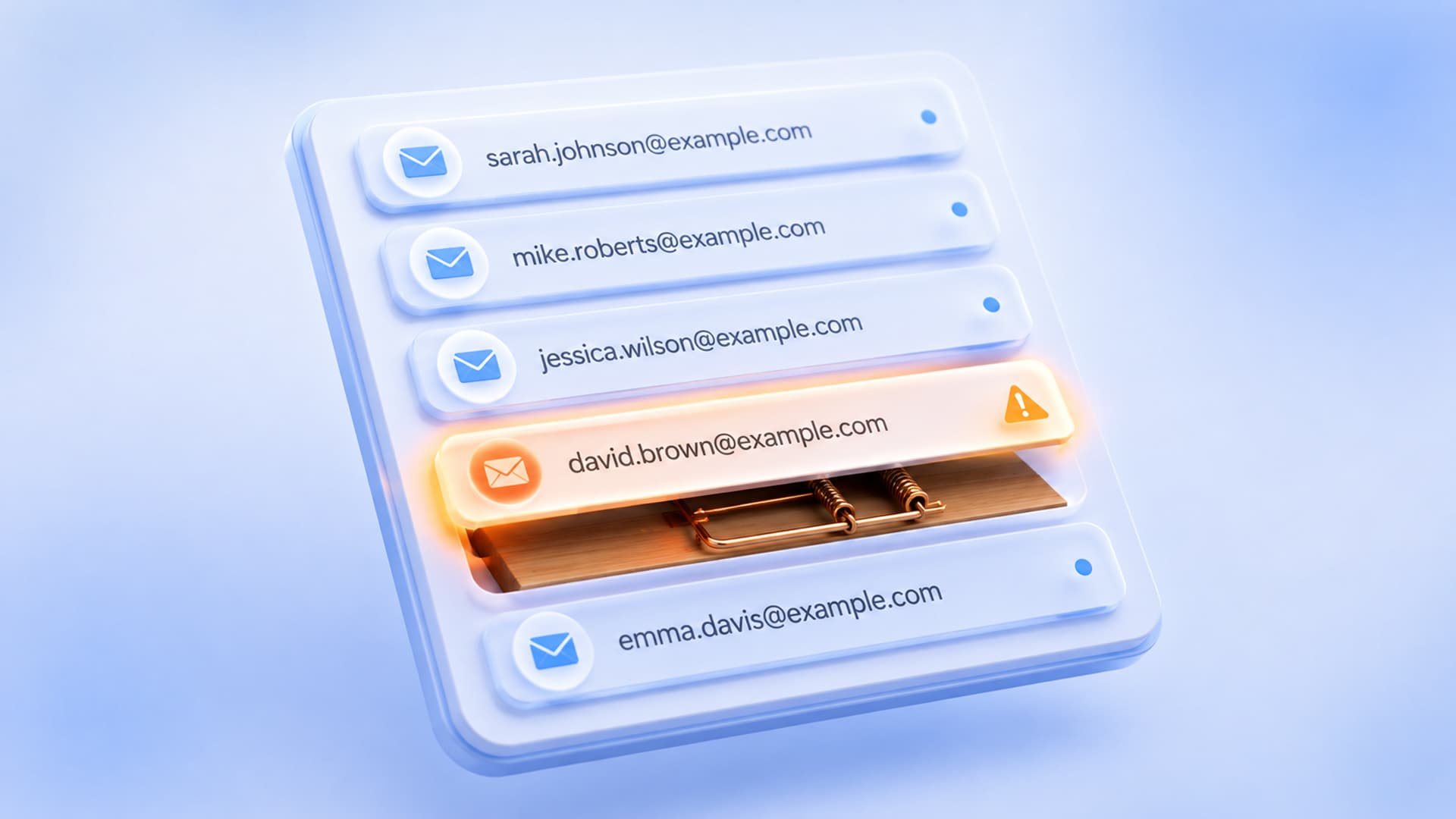
The biggest invisible mistake in email infrastructure is sending password resets and product newsletters from the same IP. It looks like a small architectural decision. It quietly destroys deliverability over six months as one type of email drags the other down. You must know about transactional vs marketing email.
This is the 2026 guide to transactional vs marketing email — the differences that matter, the architecture that keeps them separate, and the deliverability cost of mixing them.
The rule: Transactional and marketing email should share NO sending IP, NO subdomain, NO tracking domain, and ideally NO sending account. Treat them as two completely different services that happen to use the same protocol.
The Honest Definitions
| Dimension | Transactional | Marketing |
|---|---|---|
| Trigger | User action | Sender schedule |
| Recipient expectation | Expected immediately | Expected periodically |
| Volume per recipient | Variable (could be 50/day) | Capped (typically 1–2/week) |
| Unsubscribe required | No | Yes (CAN-SPAM, RFC 8058) |
| Examples | Receipt, password reset, MFA, shipping notification | Newsletter, promo, lifecycle, abandon-cart |
| Engagement signals | Lower (utility, not interest) | Higher when good |
| Reputation handling | Strict isolation | Curated through engagement |

Why Mixing Them Destroys Reputation
Mailbox providers like Gmail compute IP and domain reputation based on engagement signals. Transactional email has structurally lower engagement (people don’t reply to a password reset). When transactional and marketing share an IP, the provider sees:
- Marketing send: high engagement signals (opens, clicks).
- Transactional send: low engagement signals (delivered, no interaction).
- Aggregate: average engagement is mediocre.
- Reputation: gradually drops over weeks.
The fix is isolation. Different IPs, different subdomains, different reputation pools.
The Architecture That Works
Two-subdomain pattern
mail.yourbrand.com— marketing email. Higher volume, opted-in, engagement-curated.notify.yourbrand.comorreceipts.yourbrand.com— transactional. Strict opt-in (user took action), no marketing content.
Two sending providers (mature setup)
- Marketing: EmailSendX with own Amazon SES.
- Transactional: Postmark or Resend, separate account.
This double-isolates: separate domains, separate IPs, separate reputation pools. If one has an issue, the other is unaffected.
The cheaper compromise
One platform, two subdomains, two SES configuration sets, two sending streams. Less isolation than two providers but dramatically cheaper. The right answer for most agencies under $500/mo email spend.
What Counts as Transactional (Legally and Practically)
CAN-SPAM and GDPR both define “transactional” narrowly. The criteria:
- The email’s primary purpose is to facilitate, complete, or confirm a previously agreed-upon commercial transaction.
- It provides warranty, recall, safety information, or product changes the user opted into.
- It delivers goods or services the user purchased.
- It provides account-related information — password changes, security alerts.
What does NOT count: a “your shipment is on its way (oh, and check out our new product!)” email. Adding marketing content to a transactional email makes it marketing for compliance purposes.
The Reputation Math: One Real Example
An ecommerce client mixed marketing and transactional through Mailchimp’s shared IP pool. After 8 months:
- Marketing open rate: 22% (industry norm: 24%)
- Transactional delivery to Gmail spam: 4% (industry norm: 0.3%)
- Password reset complaints: 6 per week (because users couldn’t find them)
After splitting (Postmark for transactional, kept Mailchimp for marketing):
- Marketing open rate: 26% (+4 pts)
- Transactional delivery to Gmail spam: 0.2% (-3.8 pts)
- Password reset complaints: 0/week
Why the marketing rate also improved
Marketing email had been carrying the “low engagement” baggage of transactional sends. Once transactional moved out, marketing’s aggregate engagement score per Mailbox-Provider reset upward. Reputation healed in 6–8 weeks.
Tools That Win For Each Pattern
| Pattern | Best tool |
|---|---|
| Pure transactional, deliverability-critical | Postmark |
| Transactional, developer-first, modern stack | Resend |
| Transactional, cost-conscious | Amazon SES (with own setup) |
| Marketing, agency-led | EmailSendX |
| Marketing, single-brand ecommerce | Klaviyo or Omnisend |
| Mixed, single-vendor preference | EmailSendX with separate provider chains per workspace |
How EmailSendX Handles Both
EmailSendX supports both patterns. Run marketing through your own Amazon SES with one configuration set; run transactional through Postmark or Resend with a separate provider chain on a separate workspace. Two completely isolated reputation pools, one control plane.
- Per-workspace provider chains — transactional and marketing can use different primary + failover providers.
- Separate sending streams with separate suppression lists.
- Configuration sets for SES-based isolation.
- Real-time reputation dashboards per stream.
EmailSendX gives you per-workspace provider chains — two pipes, one platform.
Try EmailSendX free →
FAQ: Transactional vs Marketing Email
Can I send transactional and marketing from the same email platform?
Yes, as long as they’re isolated at the IP and domain level. Don’t use the same sending stream for both.
Does transactional email need an unsubscribe link?
Legally no — transactional email is exempt from CAN-SPAM’s unsubscribe requirement. Practically, include one anyway if the email is borderline (e.g., shipping update with optional content).
Is Amazon SES good for transactional?
Yes — reliable, fast, cheap. But you need to handle bounces and complaints via SNS. Postmark and Resend handle that out of the box.
What’s the cost difference at scale?
At 100k transactional + 500k marketing per month: ~$60 total via SES across both streams. ~$1,500 via HubSpot or similar all-in-one. 25× cost difference.
Should small senders bother separating them?
Below 5k emails/month total, the engagement signal noise is low enough that mixing is tolerable. Above 50k/month, separation pays back fast.
Ready to try it?