On this page(10)
How to Automate Customer Follow-Up Emails
If you run a small business, agency, ecommerce shop, or SaaS product, most of your revenue hides in the follow-up. This guide shows you how to automate customer follow-up emails without sounding like a robot, so the right message reaches the right person at the right moment even when you are slammed. Everything here is built on permission: people you already have a relationship with, who signed up, bought, or asked to hear from you.
Why follow-up is worth automating in the first place
Manual follow-up fails for a simple reason: it depends on you remembering. You reply to the first inquiry, get pulled into a hundred other things, and the second nudge never happens. The customer does not think you are busy. They think you forgot about them.
Automation fixes the memory problem. You write the follow-up once, decide when it should fire, and the system handles the timing for every person who enters that path. Done well, it feels personal because it is timely and relevant, not because a human hit send at that exact minute. The goal is not to replace the human touch. It is to make sure the touch actually happens.
Start by mapping your follow-up triggers
A trigger is the event that starts a sequence. Before you write a single email, list the moments in your customer journey where a follow-up would genuinely help the person on the other end. If it does not help them, do not send it.
Common permission-based triggers worth mapping:
- New signup or lead magnet download – welcome them and set expectations for what comes next.
- First purchase – confirm, thank, and tell them how to get the most out of what they bought.
- Free trial started – help them reach the moment the product proves its value.
- Quote or proposal sent – check in a few days later so it does not go stale in an inbox.
- Went quiet after showing interest – a gentle re-engagement for someone who opened or clicked but did not act.
- Post-purchase milestone – a check-in after 30 days to ask how it is going and offer help.
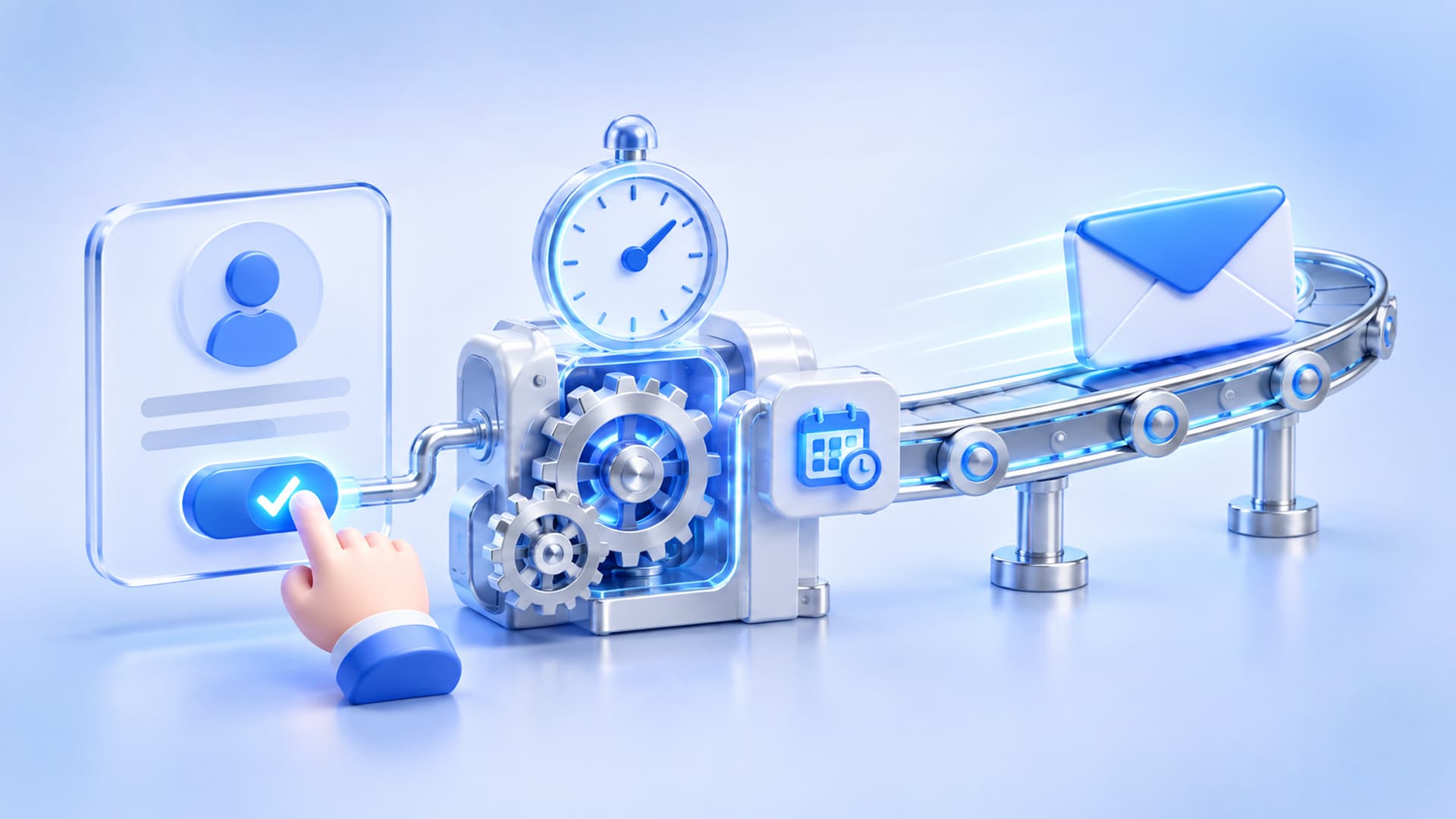
Write each trigger as a plain sentence: “When a customer downloads the pricing guide, send a two-email sequence over four days.” That sentence becomes the spec for your automation. A tool like EmailSendX turns those triggers into running automations that watch for the event and start the right sequence on their own.
Design the sequence before you touch a tool
A follow-up sequence is a short series of emails with intentional gaps between them. Resist the urge to cram everything into one message. Space gives people room to act, and each email carries one clear job.
Here is a simple three-email post-inquiry sequence you can adapt for a service business:
- Day 0 – Answer and confirm. Thank them for reaching out, answer the question they asked, and state one clear next step.
- Day 3 – Add value. Share a relevant example, a short case, or a resource that helps them decide. No pressure, just usefulness.
- Day 6 – Make it easy to say yes or no. A brief nudge with a direct call to action and an honest offer to close the loop if now is not the time.
For each email, decide the one action you want and write toward it. If you cannot name the goal of an email in a sentence, it does not belong in the sequence.
Write follow-ups people actually read
Automated does not have to mean generic. The best follow-ups read like a note from a real person who remembers the context. A few principles that hold up:
- Lead with their situation, not your pitch. Reference why they are hearing from you.
- Keep it short. Most follow-ups should be readable in under thirty seconds.
- One call to action per email. Two competing asks usually means neither gets done.
- Use a subject line that sounds human. “Quick follow-up on your quote” beats “RE: Your Order #48213 Status Update.”
Here is a lightweight template for the day-three touch:
Subject: A quick example for you, [First name]
Hi [First name],
Following up on the [service] we talked about. I put together a short example of what this looked like for another [type of business], in case it helps you picture it.
[One or two sentences, or a link.]
Happy to answer anything. Just reply to this email and it comes straight to me.
[Your name]
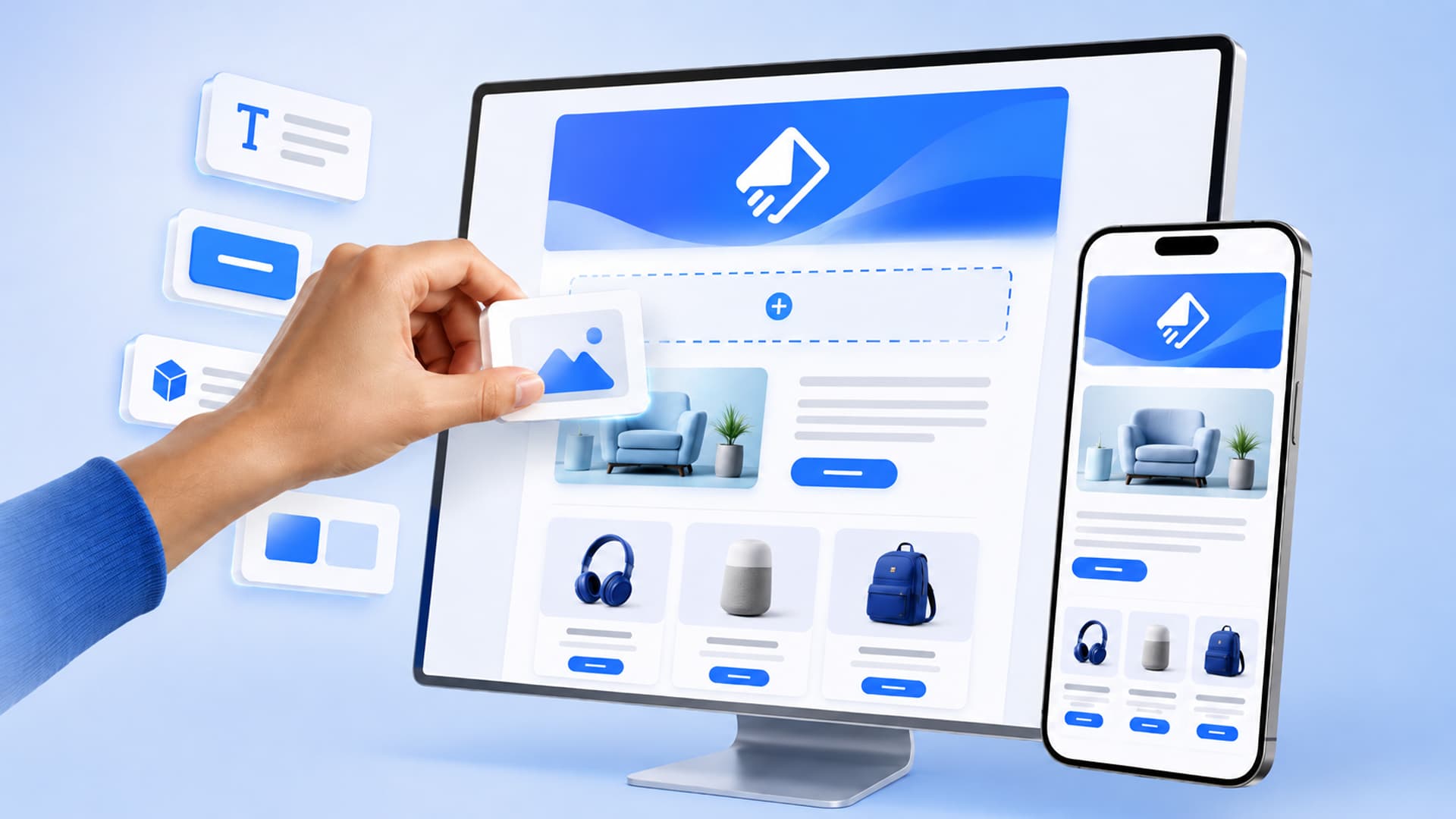
When you are ready to build the actual emails, a visual email builder keeps the design consistent so you are only writing the words, not fighting the layout.
The rule that makes automation feel human: stop when they reply
This is the difference between helpful and annoying. If someone answers your first follow-up, they should never receive the scheduled second and third. Nothing erodes trust faster than writing “Yes, let’s do it” and then getting an automated nudge two days later asking if you are still interested.
Set your sequences to exit the moment a contact replies. In EmailSendX, follow-up sequences stop automatically when someone responds, which is the whole idea behind email that follows up for you. It keeps chasing until the person engages, then it gets out of the way. When the reply lands, it belongs in a real conversation, which is where a shared inbox and a built-in CRM matter, so the whole team can see the thread and pick up where the automation left off.
Clean your list so follow-ups reach real people
Automation amplifies whatever you feed it. Point a sequence at a list full of typos and dead addresses, and you are just sending to nobody at scale. Worse, repeated bounces hurt your standing with mailbox providers over time.
Two habits keep this healthy:
- Verify addresses before they enter a sequence. Built-in list verification catches invalid and risky addresses so your automations spend their effort on people who can actually receive the message.
- Measure engagement honestly. Real-opens tracking that filters out bots gives you a truer picture of who is reading, so your re-engagement triggers fire on genuine behavior instead of noise.
Good list hygiene is not glamorous, but it is what separates automation that compounds from automation that quietly decays.
Choose a setup that scales with you
As your follow-up program grows, two things tend to bite: cost and control. Many platforms charge more as your contact list grows, so success gets expensive right when you want to send more. And many lock you into their sending infrastructure.
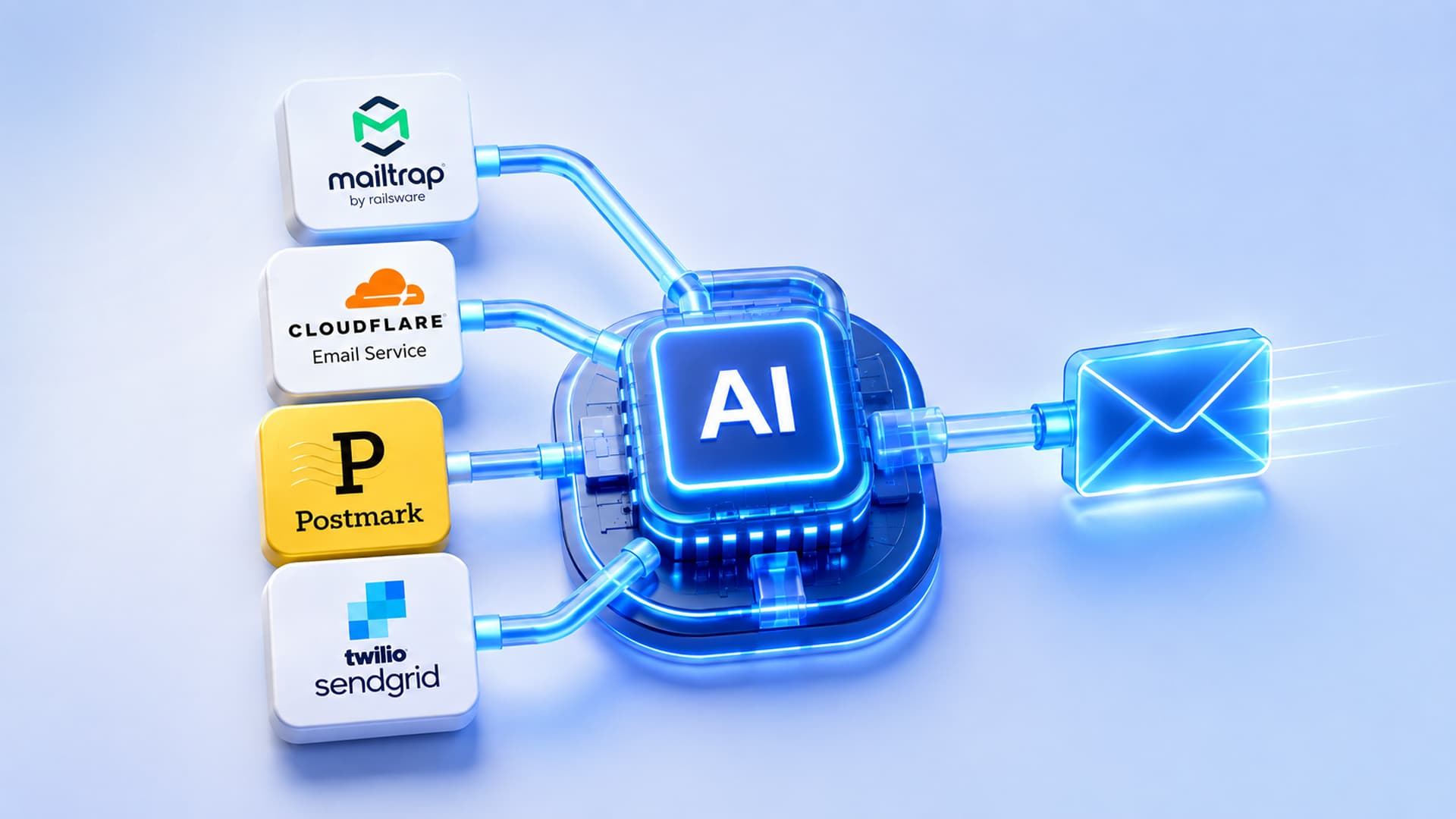
EmailSendX takes a different path. Pricing is flat with no per-contact fees, so a growing list does not inflate your bill. And you can bring your own sending provider, whether that is Amazon SES, SMTP, SendGrid, Brevo, Mailgun, Postmark, Resend, or Gmail. The automation layer and the sending layer are your choice. If you are weighing options, the pricing page lays out the tradeoffs plainly.
Different businesses lean on follow-up differently. An ecommerce store automates post-purchase and win-back flows, a SaaS product drives trial activation, an agency manages sequences across many clients, and a small business just wants inquiries to stop slipping through the cracks. The mechanics stay the same. Only the triggers change.
Test, watch, and refine
Automation is not set and forget. Once your sequences are live, treat them as living things:
- Send yourself through each sequence and read every email as a customer would.
- Confirm the stop-on-reply rule actually fires when you respond.
- Watch which emails earn replies and rewrite the quiet ones.
- Revisit your triggers each quarter as your offers shift.
Small, steady improvements to a running automation beat a perfect sequence you never ship. Get a simple version live, then sharpen it with what you learn.
Putting it all together
Automating customer follow-up comes down to a short loop: map the moments that matter, write a spaced sequence with one job per email, stop the instant someone replies, and keep your list clean so the messages land on real people. Do that, and follow-up stops being the thing you meant to get to and becomes something that happens reliably in the background.
That is exactly what EmailSendX is built for: email that follows up for you, chasing gently until someone engages and then handing the conversation back to you. You can start free with EmailSendX and have your first follow-up sequence running today.
Ready to put your email on autopilot?
Ready to try it?